
Toulouse is a very beautiful, distinctive city in southern France, with superbly preserved medieval architecture, the mighty Garonne River with its picturesque embankments and bridges, navigable canals, beautiful parks, churches, monasteries, and museums. Tourists from all over the world come here to stroll through the ancient, winding, narrow streets, visit historic cathedrals, relax in cafés, and browse the magnificent shops selling French wines, cheeses, and chocolates.
Here we’ve put together a list of some of Toulouse’s sights and walking routes that might come in handy on your day off—or any other day when you have some free time. We believe that walking around Toulouse is a distinct and important part of our “dialogues.” It’s a dialogue with the city that will be our home for these seven days. To help you find your way around more easily, we’ve linked all the locations to Google Maps and included their French names so you can find them more easily.
Parks and promenades
Japanese garden
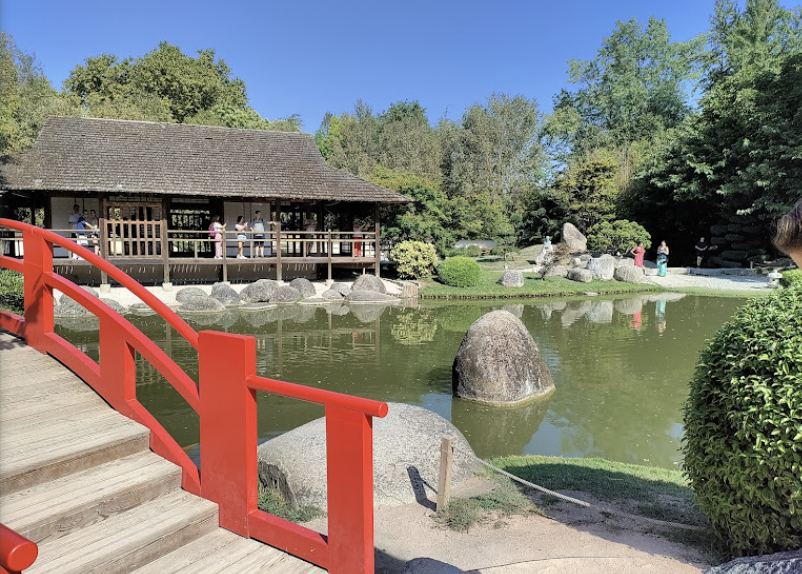
Not far from the place where our event will take place is the Japanese Garden (French: Jardin Japonais, English: Japanese garden). This is a small cozy park where you can walk along paths and bridges, look at carp in the pond and meditate in a Japanese gazebo. This park is located in another large park, where there is a small sports ground with table tennis tables, a lake, a fountain and… a bust of Taras Shevchenko.
Address: Jardin Compans Caffarelli, Bd Lascrosses, 31000 Toulouse
Directions: Metro line B, Compans Caffarelli station.
Botanical Garden
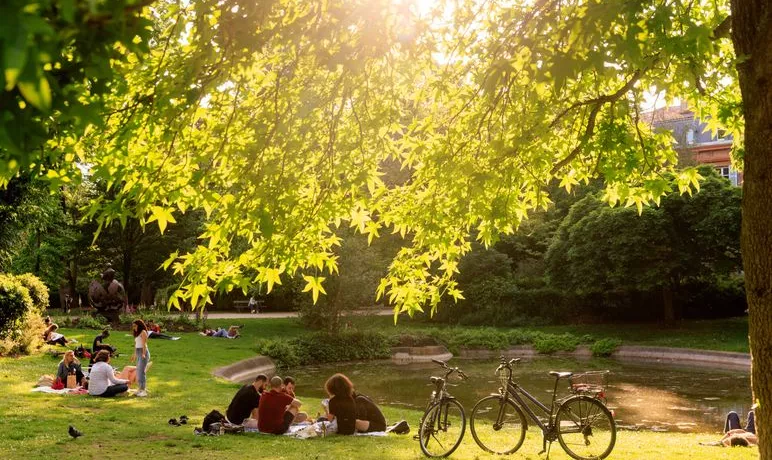
The Botanical Garden (French: Jardin des Plantes; English: Garden of Plants) was founded in 1730, and in 1808, by decree of Napoleon Bonaparte, the garden became the property of the city and was opened to the public. The Toulouse Museum of Natural History is located within the park. The park is home to about a hundred botanical species. It features a lake with ducks, and roosters and hens roam freely throughout the park. The park is adjacent, across the street, to two other parks: the Royal Park (Jardin Royal) and the Grand Rond. It’s a wonderful place to stroll along the shaded paths on a hot day, sit on the grass, and maybe even enjoy some traditional French chestnuts sold from street stalls.
Address: 31 All. Jules Guesde, 31400 Toulouse
Directions: Metro Line B, Carmes or Palais de Justice stations.
A walk along the canals
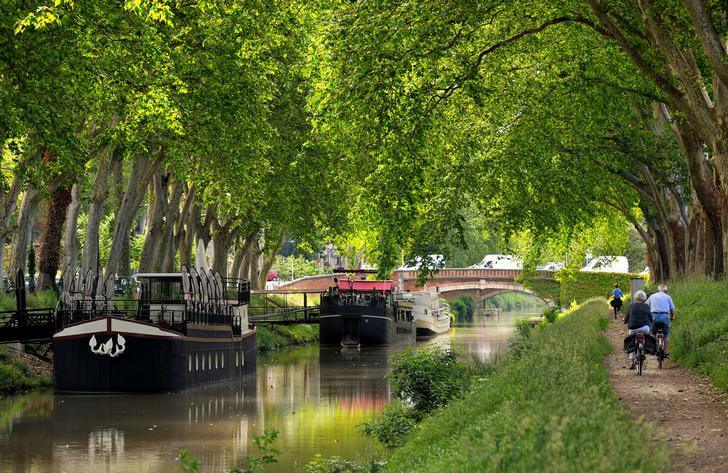
Toulouse lies on the Garonne River, which flows northwest and empties into the Atlantic Ocean near the city of Bordeaux. This and other rivers, connected by canals and locks, form a vast transportation system that, in past centuries, crisscrossed virtually all of France. Even today, it is possible to travel from the Atlantic Ocean to the Mediterranean Sea via the rivers and canals passing through Toulouse. Toulouse’s canals are ancient arteries encircling the city. Some of them are very picturesque, with inhabited houseboats moored along them and pedestrian paths running beneath the bridges—all in the shade of huge plane trees.
You can start your walk along the Canal du Midi, which is located just north of the Japanese Garden. Follow it westward to reach the Ponts Jumeaux. From there, you can head back along the Canal de Brienne and walk to the point where the canal connects to the Garonne via a lock near Place Saint-Pierre. Here, you’ll find a view of the Garonne, the riverfront, and the Pont Saint-Pierre. From here, you can continue your walk along the Garonne on the promenade, visit the nearby Jacobin Monastery, or head toward the Capitole.
Directions: Metro line B, Canal du Midi station.
Garonne Quay and New Bridge
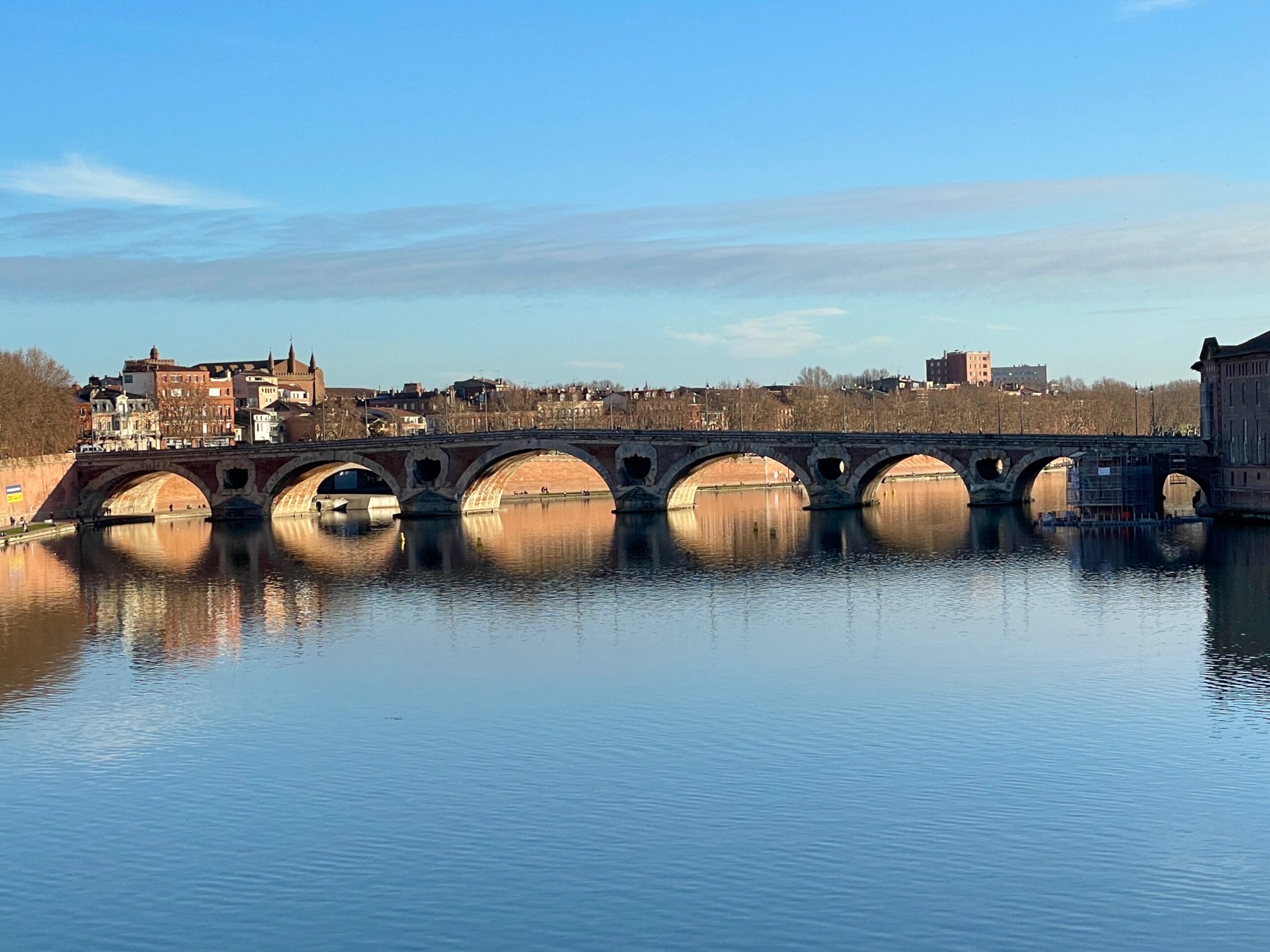
Between the Saint-Pierre Bridge (French: Pont Saint-Pierre) and the New Bridge (French: Pont Neuf)—which, contrary to its name, is actually one of the oldest bridges in Toulouse—lies the Henri Martin Promenade (French: Prom. Henri Martin). Along the way, you’ll come across the old Port de la Daurade and the Basilica of Notre-Dame-de-la-Daurade (Fr. Basilique Notre-Dame-de-la-Daurade).
From there, you can continue your walk past the New Bridge and reach Quai de Tounis, where you can see the massive gates that protect the lower part of the city from flooding, as well as the Garonnette River. If you walk along Rue de Pont de Tounis, you’ll reach the ancient cathedral of Notre-Dame de la Dalbade (French: Notre-Dame de la Dalbade) and from there venture into the maze of narrow streets in the Carmes district (French: Carmes).
Directions: The quickest way to reach the Saint-Pierre Bridge is to walk from the Capitole (Capitole metro station on Line A) along the old Rue Pargaminières. The Esquirol metro station on Line A is the closest to the New Bridge.
Old Town
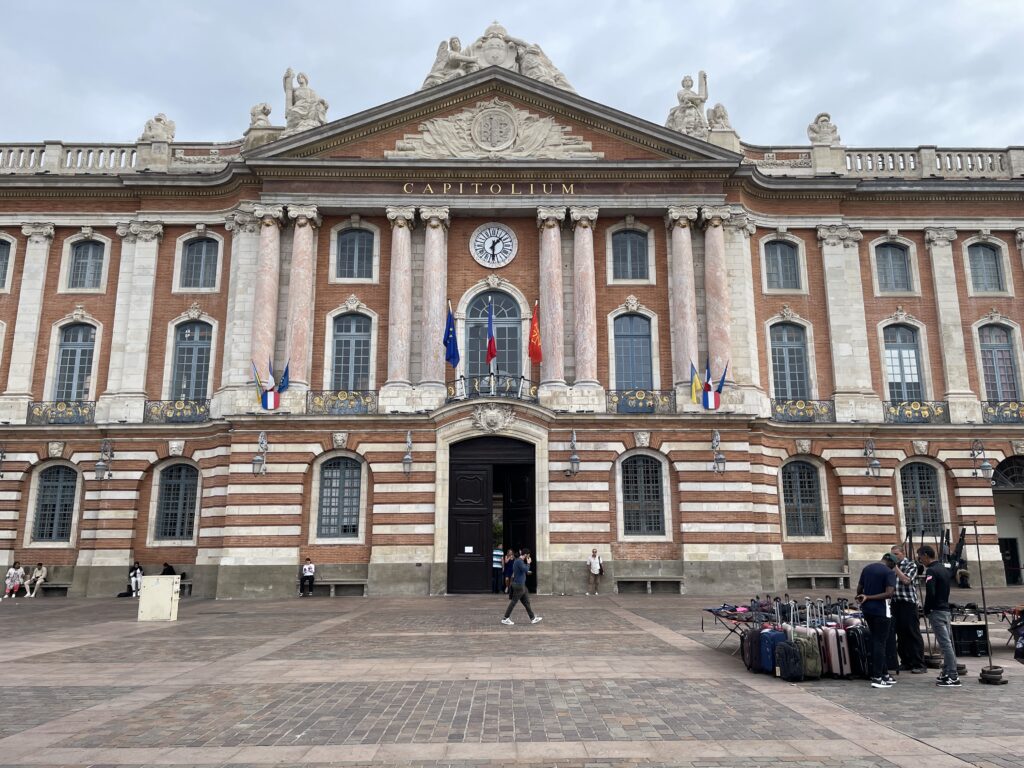
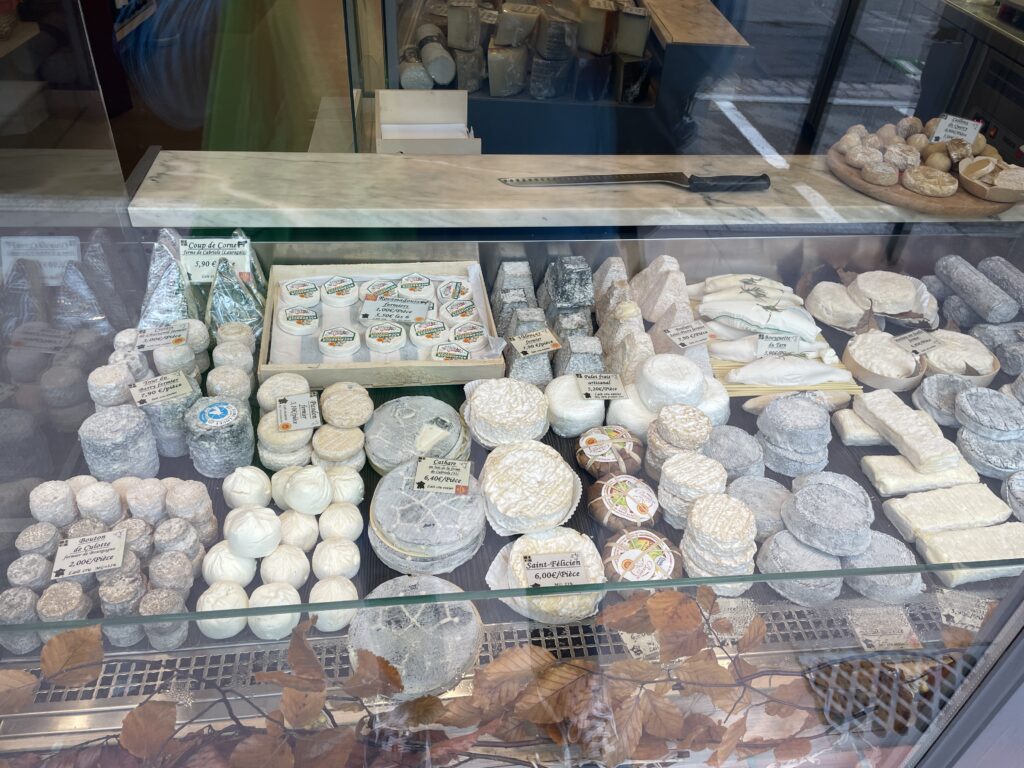
The old neighborhoods of Toulouse are roughly bounded by the Botanical Garden to the south, the Garonne River to the west, the Basilica of Saint-Sernin to the north, and Boulevard Carnot to the east. The most picturesque streets are in the Carmes district (French: Carmes). We highly recommend taking a stroll down Rue Théodore Ozenne and Rue du Languedoc, visiting the Carmes Market (located right outside the Carmes Metro station exit on Line B), and exploring the surrounding streets, where you’ll find plenty of cheese and wine shops.
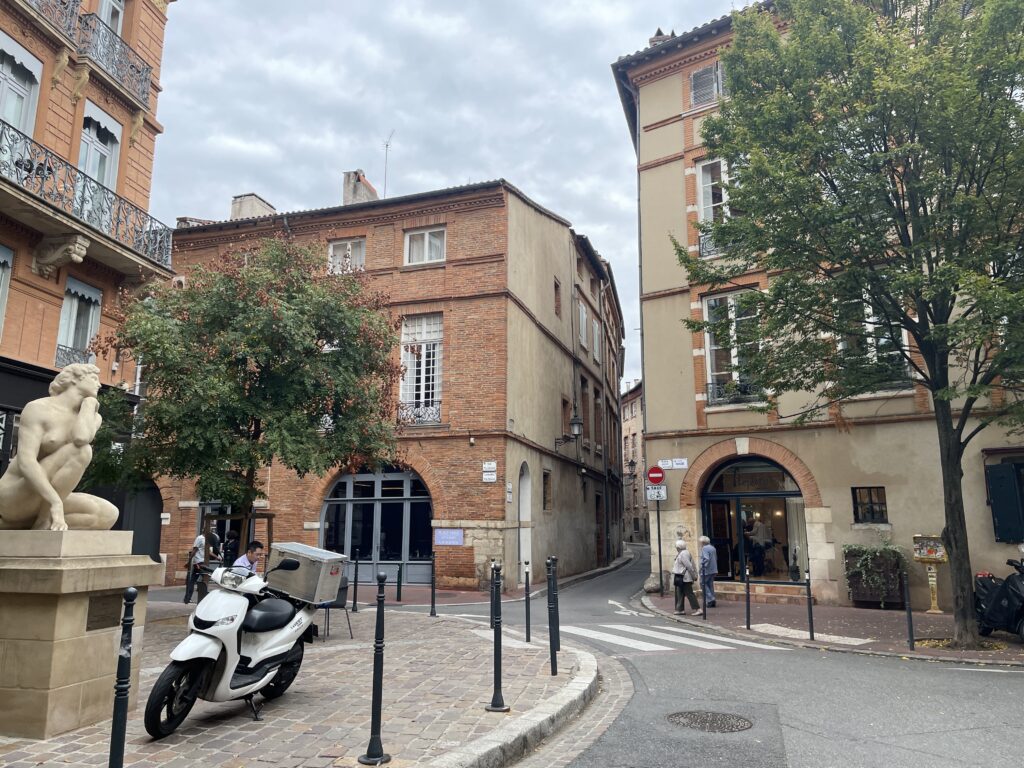
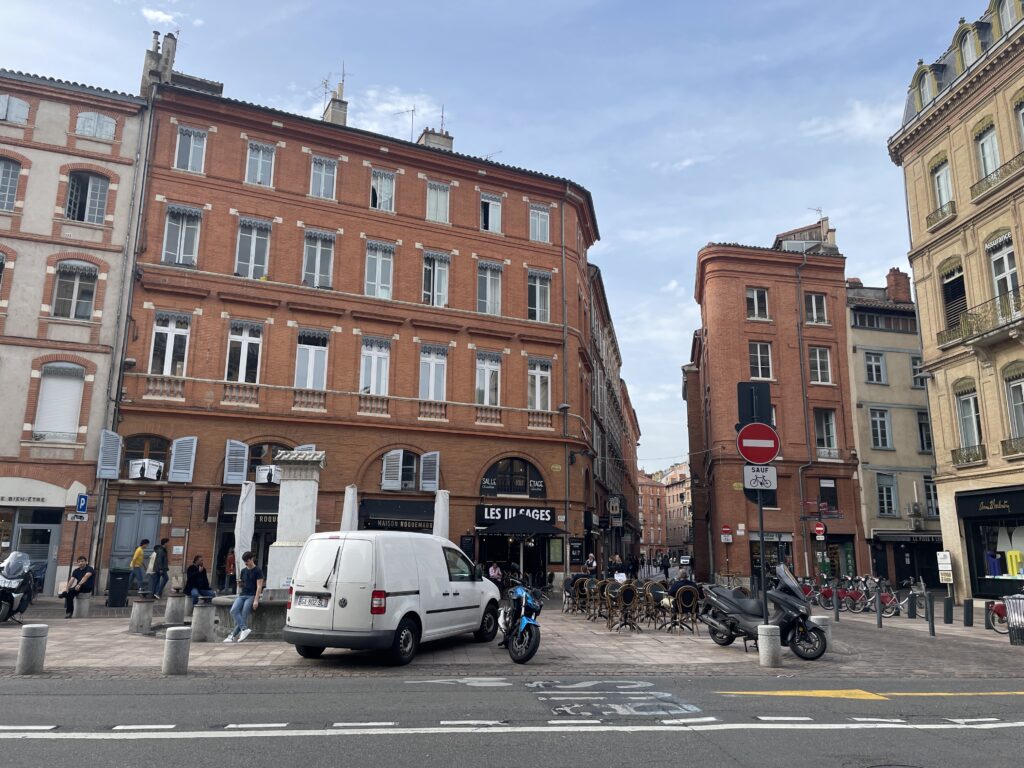
From there, you can walk up Rue du Languedoc, which turns into the pedestrian shopping street Rue d’Alsace Lorraine, and follow it to the Capitol (French: Place du Capitole). We recommend turning off the main street and meandering through the adjoining old alleys to wander through the labyrinths of the “Pink City.”
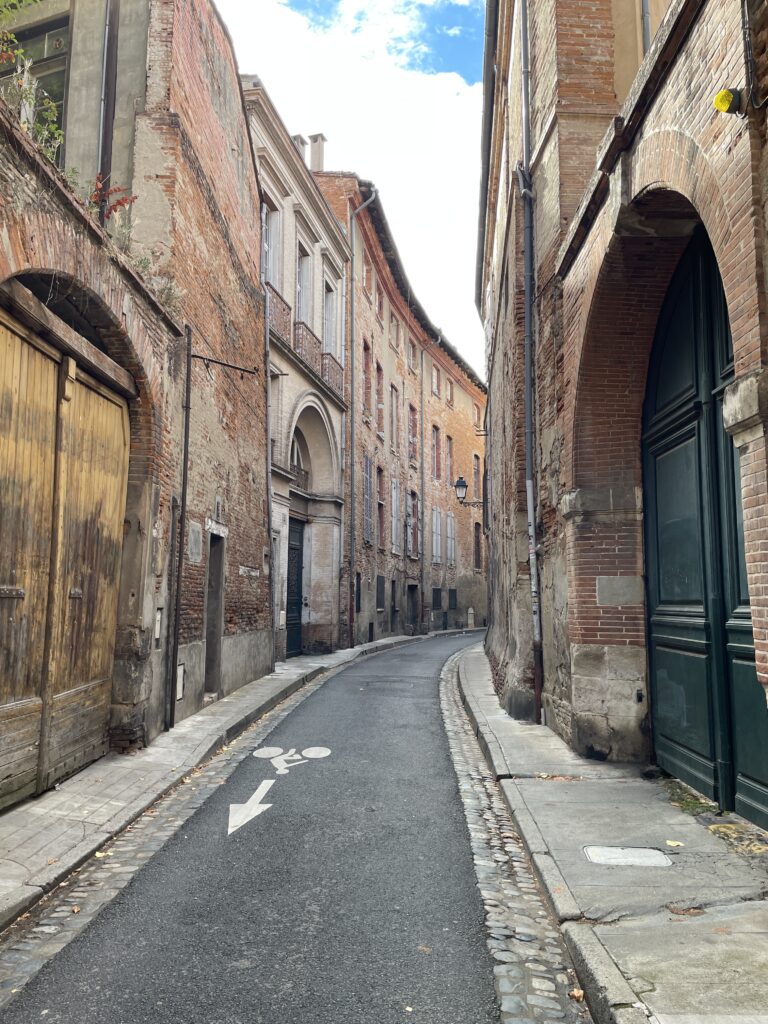
We recommend visiting the Capitol (Toulouse City Hall) itself to enjoy the atmosphere and the art collection. Admission to the Capitol is free.
Further northeast of the Capitol is the Victor Hugo Market. Here you can see French people buying and eating oysters with wine. The market offers a huge selection of seafood, cheeses, wines, and honeys. (Keep in mind that the market is open all days except Monday and only until 14:00, so you should plan to go there in the morning.)
Cathedrals and monasteries
Jacobins Convent / Couvent des Jacobins
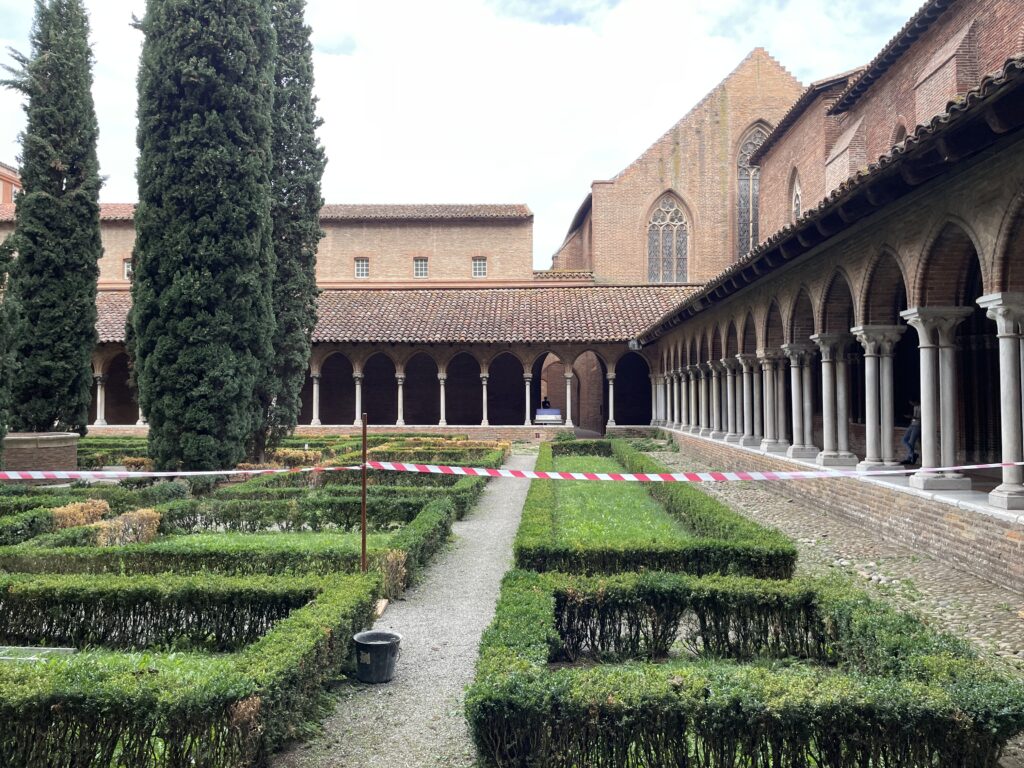
This is perhaps one of the most interesting churches in Toulouse, and we highly recommend stopping by. The building is constructed in the Gothic style. Inside, there are stunning stained-glass windows and arches supporting the ceiling. Interestingly, the remains of Thomas Aquinas are kept in this monastery, even though he himself never lived in Toulouse; rather, the Pope entrusted his remains to this monastery in recognition of its great success in combating the Cathar heresy (the history of the brutal struggle against the Cathar heretics—a major chapter in the history of Toulouse and the neighboring city of Albi—may be of interest to those who are fascinated by the history of religion).
The square courtyard and the meditation promenade that encircles it are a must-see.
How to get there: It is located near the Saint-Pierre Bridge. The nearest metro station is Capitole on Line A.
Basilica of Saint-Sernin / Basilique St-Sernin
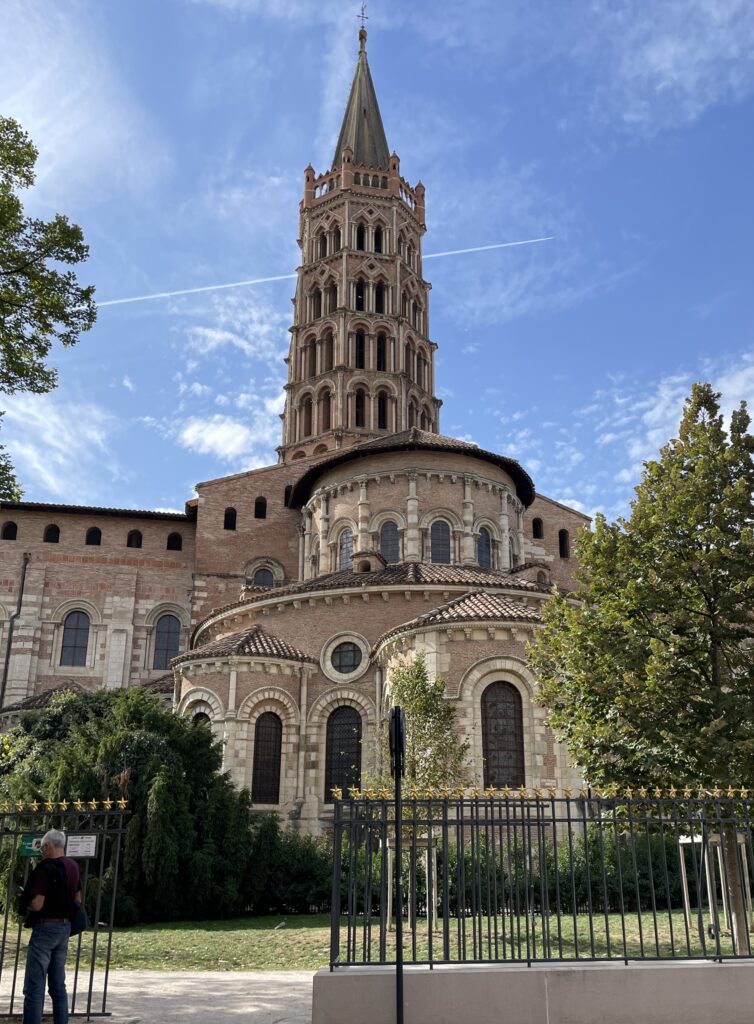
The Basilica of St. Sernin is a well-preserved Romanesque church. Its massive octagonal bell tower is truly breathtaking. The entire basilica is built of pinkish bricks and white stone.
The church houses the relics of St. Saturninus (also known as St. Sernin)—the first bishop of Toulouse, who was martyred by pagans.
How to find: located north of the Capitol. The nearest metro is Jeanne d’Arc on the B line.
Cathédrale Saint-Étienne / Cathédrale Saint-Étienne
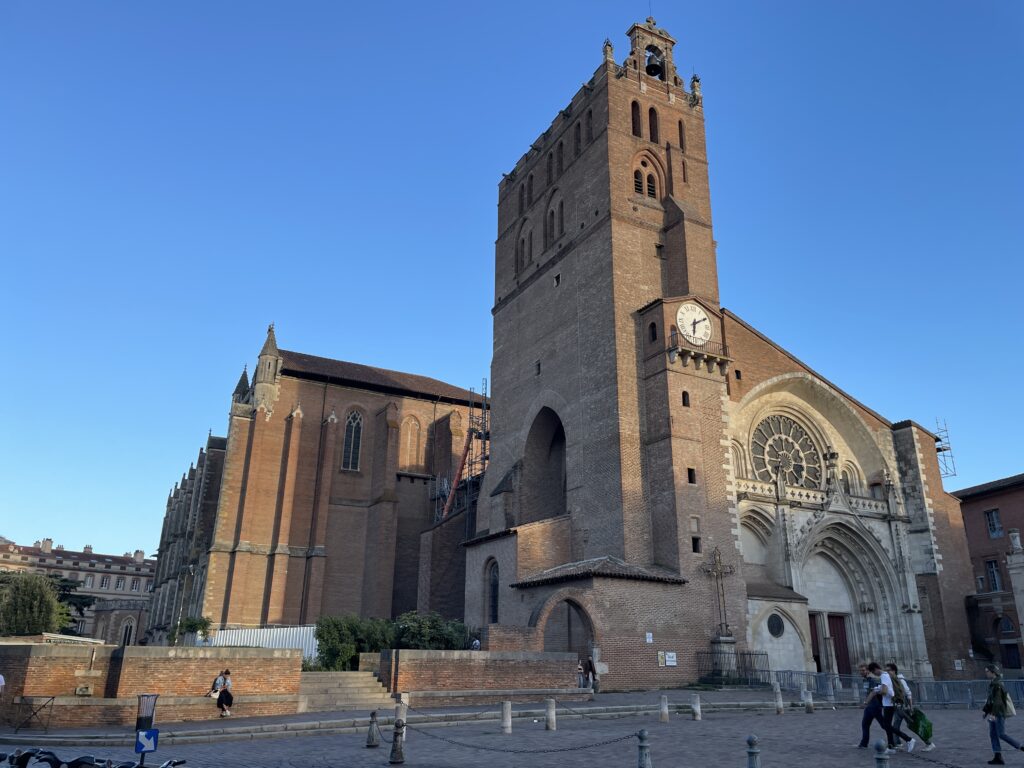
This city cathedral was built over the course of more than one century—from the 12th to the 13th century. It is notable for its magnificent “Gothic rose”—a large circular stained-glass window above the entrance.
How to find it: it is located near the François Verdier metro station on line B.
Museums
Museum of Toulouse / Muséum de Toulouse
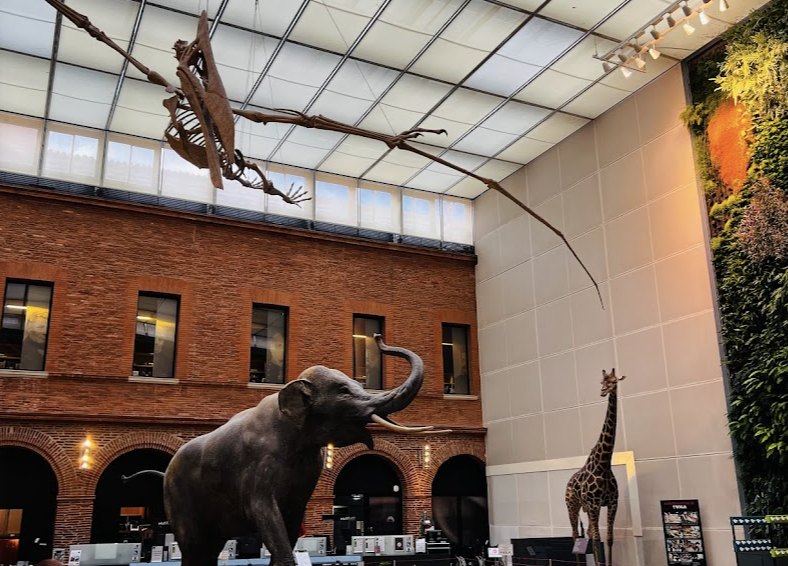
Museum of Natural History, which was established at the end of the XVIII century thanks to the efforts of naturalist Jean-François de La Perouse on the territory of a former monastery.
The museum is right in the Botanical Gardens, it has a nice souvenir store and a very nice cafe in the bamboo grove.
It’s a huge museum, with numerous galleries and exhibits spread over several thousand square meters. Here you can see all kinds of skeletons, taxidermy specimens, minerals, and so on. It might be of more interest to the younger generation.
How to get there: the nearest metro stations are Palais de Justice or Carmes on the B line.
Saint-Raymond Museum / Musée Saint-Raymond
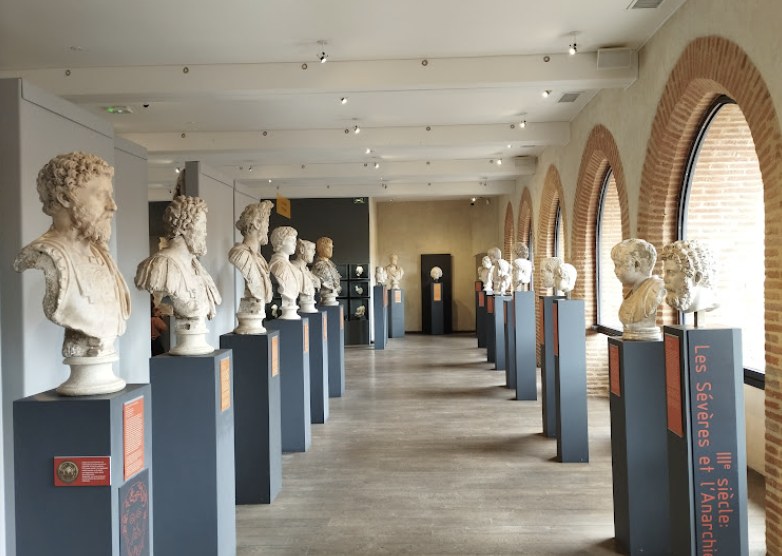
The Saint-Reymond Museum is located near the Basilica of Saint-Sernin in a historic 16th century building. The museum is dedicated to the history of Toulouse.
Exhibits found in excavations around the city are on display here. The collection consists of jewelry, bas-reliefs, coins, bronzeware, and other historical artifacts.
How to find: located north of the Capitol. The nearest metro is Jeanne d’Arc on the B line.
Les Abattoirs Museum of Contemporary Art
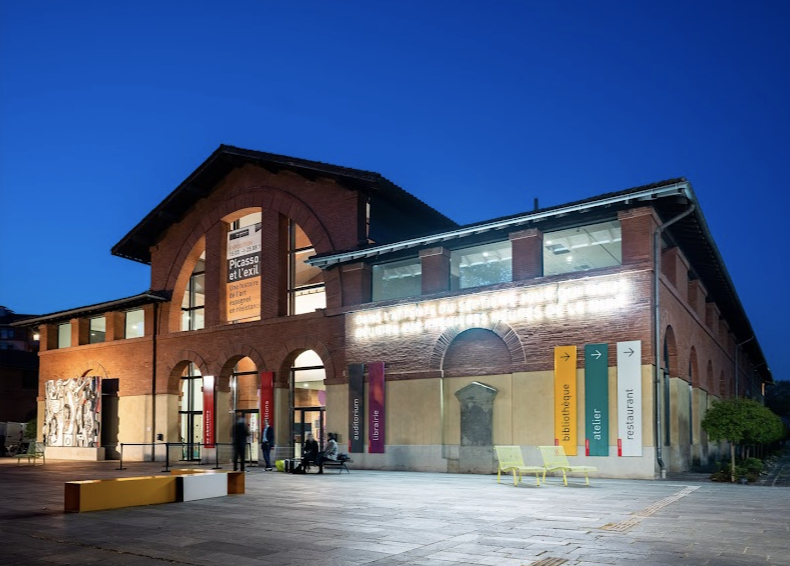
The museum was established on the site of the former slaughterhouses of the first half of the 19th century. This fact is reflected in the title of the gallery. Despite its short history, Les Abattoirs is already called one of the best contemporary art museums in France. The collection is a collection of sculptures, drawings, paintings, photographs and installations that were created between the 20th and 21st centuries.
A visit to this museum is also a good excuse to cross to the left bank of the Garonne and also to visit the small botanical garden of Raymond VI (Jardin Raymond VI).
How to get there: the nearest metro station is Saint Cyprien – République on line A.
Space City Park / Cité de l’Espace
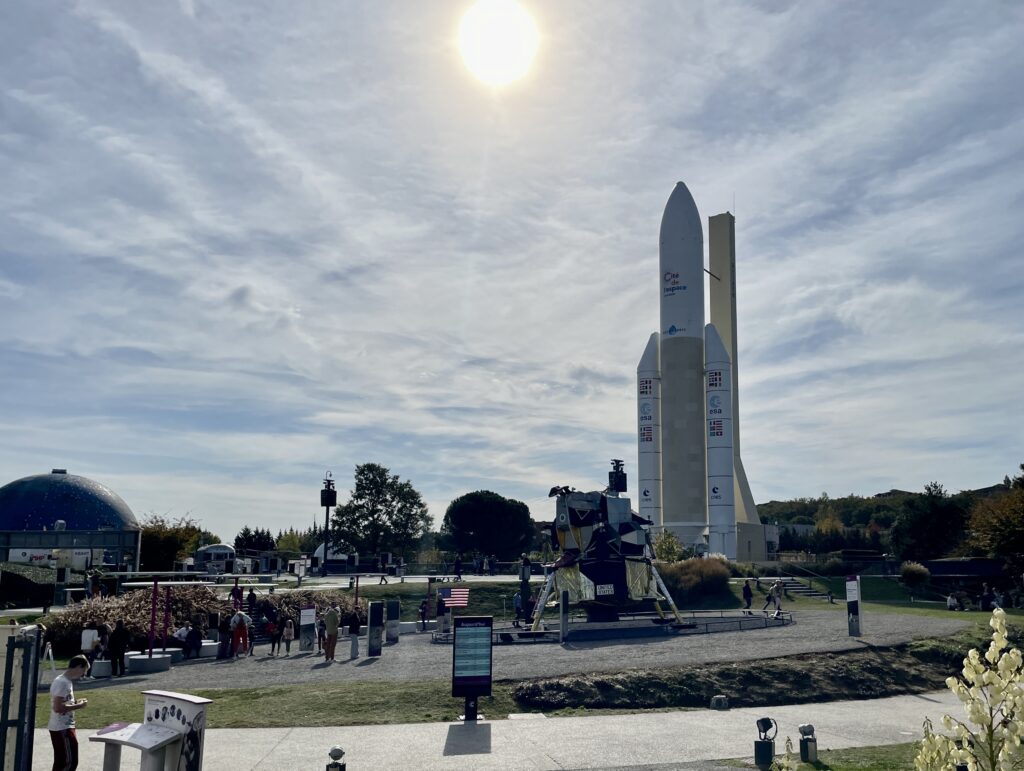
The park was created in 1997 near the space center of Toulouse on the initiative of the city authorities and with the support of the French government. Models of space engines, satellites, rockets and ships are placed on the museum grounds.
At the museum, you’ll see full-scale replicas of iconic spacecraft, including the Mir space station and the 52-meter Ariane 5 launch vehicle.
The park is located in the southeastern part of the city, far enough away from the center. You can only get there by bus.
Address: Cité de l’espace, Avenue Jean Gonord